ShortGPT vs Digital Maker AI for Faceless YouTube Videos
By Alex Stevens
ShortGPT vs Digital Maker AI: the short answer
For faceless YouTube creators who want to go from idea to finished MP4 without touching a terminal, Digital Maker AI is the clearer choice. The single criterion here is end-to-end ease of use for a non-technical creator, and that is the lens applied consistently throughout this comparison of shortgpt vs digital maker ai. If you are comfortable with Python, Git and API key management, ShortGPT offers a free, self-hosted pipeline worth knowing about. If you just want a video, Digital Maker AI wins on every practical measure.
To judge them, five things were checked: how much work it takes to get started, what kind of video each tool actually produces, how the visuals look, what the free or low-cost entry point looks like, and how much ongoing maintenance the tool demands. ShortGPT was verified against its public GitHub repository. Digital Maker AI facts come from the product itself. Prices for Digital Maker AI are stated as of November 2026 alongside a link to the pricing page.
ShortGPT: what it is and who it suits
ShortGPT (RayVentura/ShortGPT on GitHub) is an open-source, MIT-licensed Python framework described by its author as "an experimental AI framework for YouTube Shorts and TikTok channel automation." The repository has around 8,100 stars and its last code push was in February 2025. The framework automates a pipeline: it uses an LLM to write a script, sources stock footage and images from Pexels and the wider web, synthesises a voiceover (via EdgeTTS or ElevenLabs), generates captions and renders everything with MoviePy and FFmpeg.
To run it you need Python 3.10, ImageMagick, FFmpeg, a cloned copy of the repository, and at minimum an OpenAI API key. The company states that documentation is still coming. Setup instructions on PyPI and the README walk through cloning the repo, installing dependencies with pip install -r requirements.txt, and configuring environment variables for each API key you want to use. There is also a Dockerfile for those who prefer containers. None of this is difficult for a developer, but it is a genuine barrier for a creator who has never used a terminal.
Where ShortGPT wins: it costs nothing to run beyond the API usage you rack up. If you already pay for OpenAI and want to experiment with automated short-form video pipelines, the framework is a solid starting point. It supports more than 30 languages for voiceover via EdgeTTS and can pull footage automatically from Pexels.
Where ShortGPT falls short for faceless YouTube creators:
- The repository describes itself as experimental and primarily aimed at Shorts and TikTok, not long-form YouTube videos.
- Visuals rely on stock footage and stock images sourced from Pexels and the internet, not on per-scene AI generated images unique to your video.
- There is no hosted dashboard, no free plan with a browser sign-up, no AI presenter, no animated podcast, no direct posting to YouTube or Instagram, and no recurring character system.
- You are responsible for keeping dependencies updated, managing API keys across multiple providers, and debugging Python errors when something breaks.
- The last code push was February 2025. Active maintenance is not confirmed beyond that date.
Who should pick ShortGPT: developers who want a free, hackable automation skeleton and are comfortable maintaining a Python project on their own machine.
ShortGPT vs Digital Maker AI: the five real differences
Digital Maker AI: what it is and who it suits
Digital Maker AI is a hosted, browser-based platform built specifically for faceless YouTube creators. You sign up, press the Video Maker button in the left sidebar, and pick a video type. No terminal, no dependencies, no API keys to juggle. The platform handles the entire pipeline: it writes the script, generates a unique AI image for every scene, adds AI narration from over 100 built-in voices, burns in captions and returns a ready-to-upload MP4.
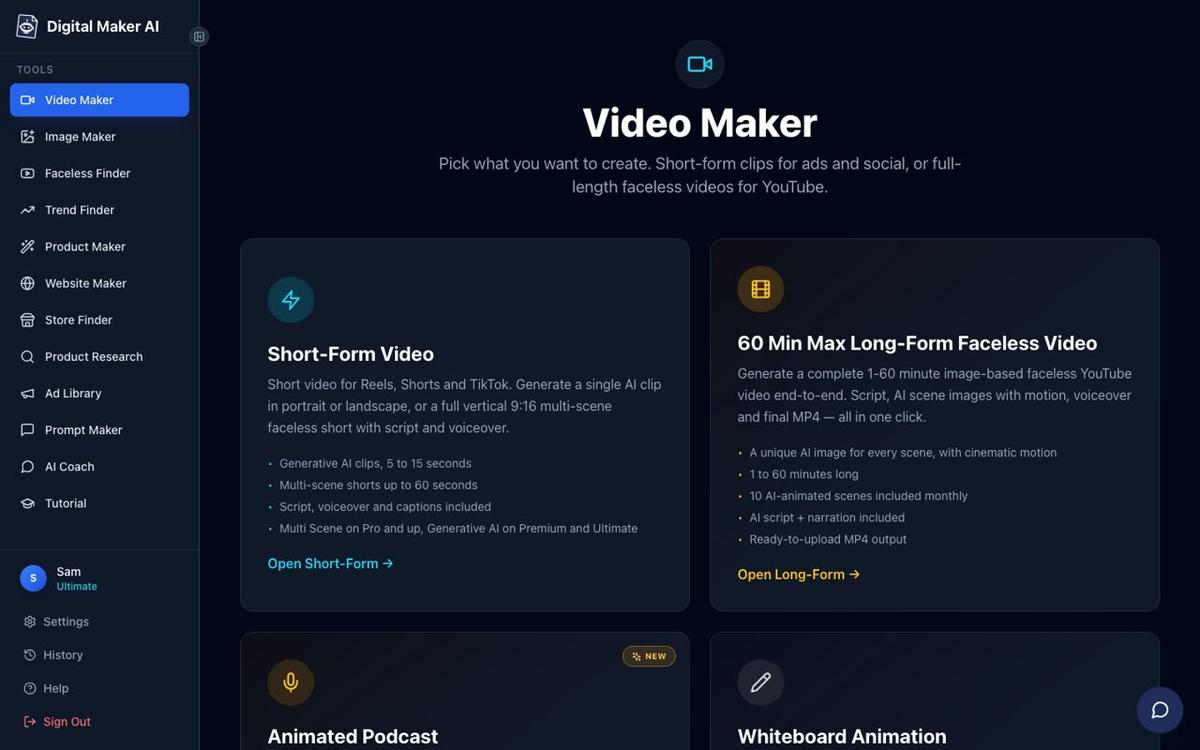
The core long-form product is a landscape 16:9 faceless video built for YouTube. Every scene gets its own fresh AI generated still image, with optional slow zoom or pan motion effects and an optional film grain look. You choose from seven visual styles (Realistic, Animated or Cartoon, Motivational or Dark Moody, Finance or Luxury, History or Ancient, Space or Sci-Fi, Minimalist or Clean) and six caption looks. After the video is made you can regenerate any scene image, swap in your own image or a short clip, or edit the narration text, with ten free regenerations per video.
This is the clearest visual difference in the shortgpt vs digital maker ai comparison. ShortGPT assembles your video from stock footage and images it finds on Pexels and the web. Those images are generic and shared across any video on any topic. Digital Maker AI generates a new image for every single scene in your specific video, meaning a finance channel and a history channel get completely different visuals even if they cover the same subject.
Long-form output: Digital Maker AI is built for long YouTube videos up to 60 minutes. Pro plan videos go up to 10 minutes, Premium up to 30 minutes, and Ultimate up to 60 minutes. ShortGPT, by the author's own description, targets Shorts and TikTok automation. There is no confirmed maximum length for ShortGPT output, but the framework's design and documentation centre on short-form content.
AI Presenters: Premium and Ultimate plans on Digital Maker AI include fully launched AI presenter videos. You describe a presenter in a sentence or two, the platform generates a photoreal picture of them, and you save them to reuse across videos. In the Video Maker you pick one, three or all of three layouts: Full screen, Split screen (presenter on the left, scene on the right) or Corner circle (the scene with the presenter in a small round window). A slider sets how much of the video the presenter appears on screen.
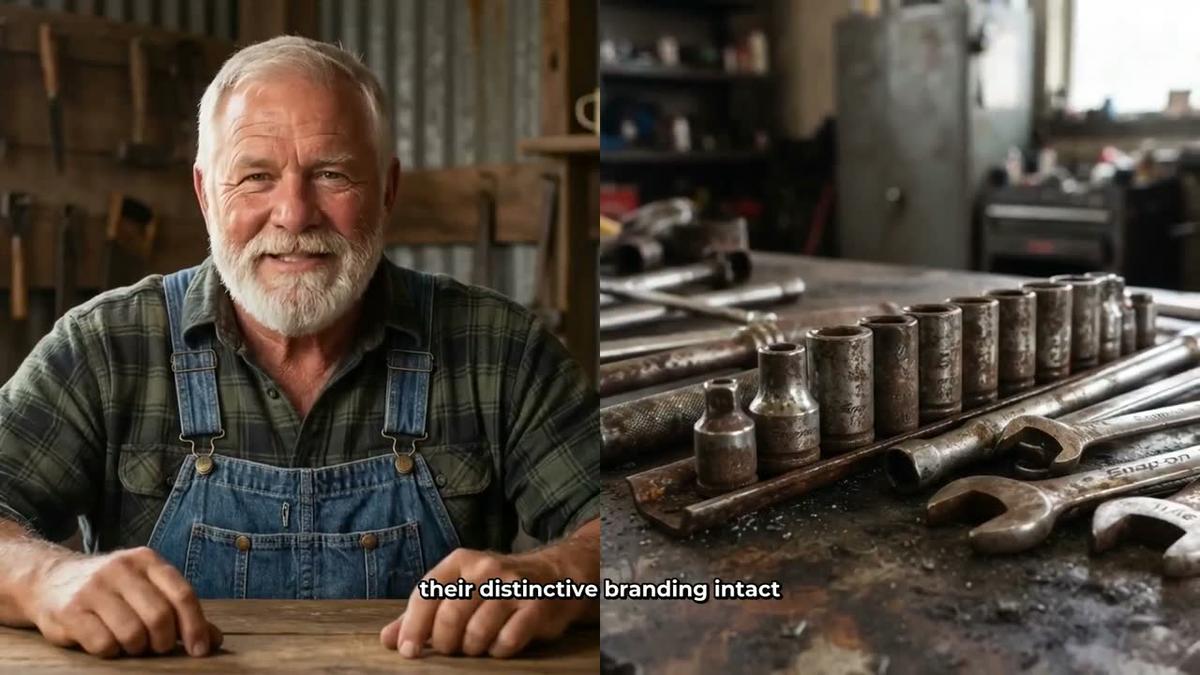
ShortGPT has no equivalent to this. There is no AI presenter system, no recurring character, and no animated podcast in the framework. Digital Maker AI's AI presenter videos are a meaningful differentiator for creators who want a recognisable face on their channel without appearing on camera themselves.
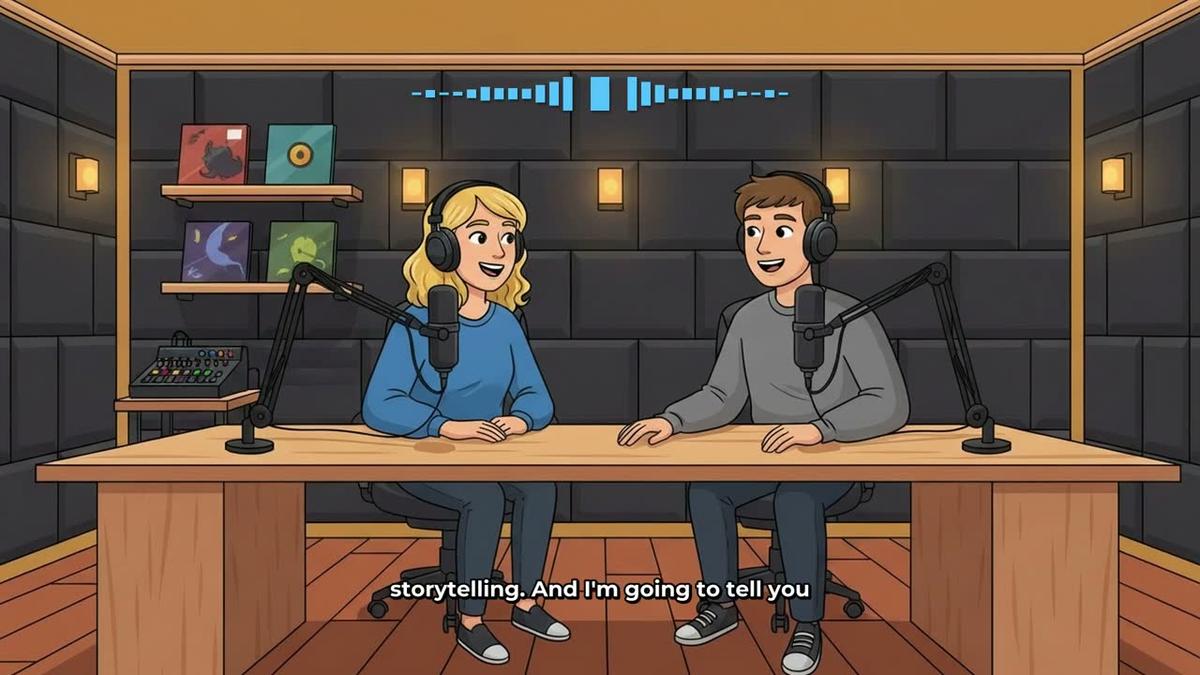
Animated podcasts: Digital Maker AI includes a full animated podcast studio. You type the topic, name and style two AI hosts, pick their voices and a studio, and get a finished landscape video with two hosts at microphones, animated sound bars and captions. Shows are saved so every new episode reuses the same hosts and studio automatically. Free users get one podcast up to 8 minutes. Premium supports episodes up to 30 minutes and Ultimate up to 60 minutes. ShortGPT has no podcast feature.
Free plan and pricing: Digital Maker AI's Free plan requires no credit card. Free accounts get five free videos, one of each type: one long-form faceless video up to 8 minutes, one vertical Short (15 to 60 seconds), one drag and drop video from their own images, one drag and drop movie from their own clips, and one animated podcast up to 8 minutes. Free videos use a ready-made image library in set topic areas and carry a small watermark. Commercial usage rights are included on every plan, including Free.
Paid plans as of November 2026 (see the full pricing page for current details): Pro is $29 a month (or $249 a year) with 40 video minutes a month and videos up to 10 minutes. Premium is $59 a month (or $479 a year) with 150 minutes and videos up to 30 minutes, plus AI Presenters, animated podcasts and direct social posting. Ultimate is $99 a month (or $799 a year) with 300 minutes and videos up to 60 minutes.
ShortGPT is free to self-host. Your only ongoing costs are the API usage you accumulate with OpenAI, ElevenLabs or whichever providers you connect. For a developer running occasional tests that can be very cheap. For a creator trying to publish consistently, the hidden cost is time: time to set up, time to debug, time to update dependencies when something breaks.
Ongoing maintenance: Digital Maker AI is a managed hosted service. When the platform updates, you get the new features automatically. When something breaks on the backend, the team fixes it. ShortGPT is a self-hosted Python project. You own the maintenance. If a dependency updates and breaks the render pipeline, you debug it. If an API changes its authentication, you update your environment variables. The last confirmed push to the ShortGPT repository was February 2025, so the framework may not reflect changes in the APIs it depends on.
Direct posting: Premium and Ultimate users on Digital Maker AI can post a finished video straight to YouTube, TikTok and Instagram from the "Post to socials" button, now or on a schedule, after connecting accounts once in Account Settings. Nothing posts automatically: it posts when you press Post, and posts are labelled AI generated. Free and Pro users download the MP4 and upload it themselves. ShortGPT has no built-in social posting. You render the file and upload it manually.
Recommendations by use case
Best for long-form faceless YouTube videos: Digital Maker AI. It is purpose-built for landscape YouTube content, generates unique per-scene images, and supports videos up to 60 minutes on Ultimate. ShortGPT is described by its author as a Shorts and TikTok automation framework.
Best for creators who want an AI presenter: Digital Maker AI (Premium or Ultimate). ShortGPT has no presenter feature at all. If a talking AI face on your channel matters to you, this is not a close comparison.
Best for animated podcasts: Digital Maker AI. ShortGPT does not offer a podcast format. Digital Maker AI's animated podcast studio saves your hosts and studio so every episode is consistent.
Best for recurring characters: Digital Maker AI (Premium and Ultimate). You upload or build a character image, save up to ten characters, and the same character appears in every video's scenes. ShortGPT has no recurring character system.
Best for a developer on a tight budget: ShortGPT. If you are comfortable with Python, can manage API keys and are happy to maintain a local project, the framework costs nothing beyond API usage. It is a legitimate free option for technical users who want to experiment.
Best for a non-technical creator starting out: Digital Maker AI's Free plan. No card, no setup, no terminal. Sign in, press Video Maker, pick your type and press Next. You get five free videos across all the main formats to see what the output looks like before you commit to anything.
Best for consistent channel growth with minimal friction: Digital Maker AI Pro or Premium. The hosted pipeline, consistent per-scene AI images, built-in voices, direct posting and the ability to save recurring characters make it practical to publish regularly without a technical background.
The honest summary
In a direct shortgpt vs digital maker ai comparison, ShortGPT is a free, flexible automation skeleton for developers who want control and do not mind maintenance. Digital Maker AI is a finished product for creators who want to publish faceless YouTube videos, AI presenter content, animated podcasts and Shorts without writing a line of code. ShortGPT does not offer AI presenters, animated podcasts, per-scene AI generated images, recurring characters or direct social posting. Digital Maker AI does not offer a self-hosted open-source option or the ability to swap in your own LLM freely. Those are honest limits on both sides. For most faceless YouTube creators, the hosted, all-in-one pipeline wins on the criterion that matters most: getting a finished video out the door without a technical detour.
If you want to explore further comparisons, see how ElevenLabs compares to Digital Maker AI for creators weighing a voice tool against a full video platform, or check the free faceless YouTube course to learn how to build and grow a channel from scratch using AI video tools.
Alex Stevens: Alex Stevens writes for the Digital Maker AI team about faceless YouTube channels, AI presenters and AI video tools.