How to Create Consistent Brand Images with AI
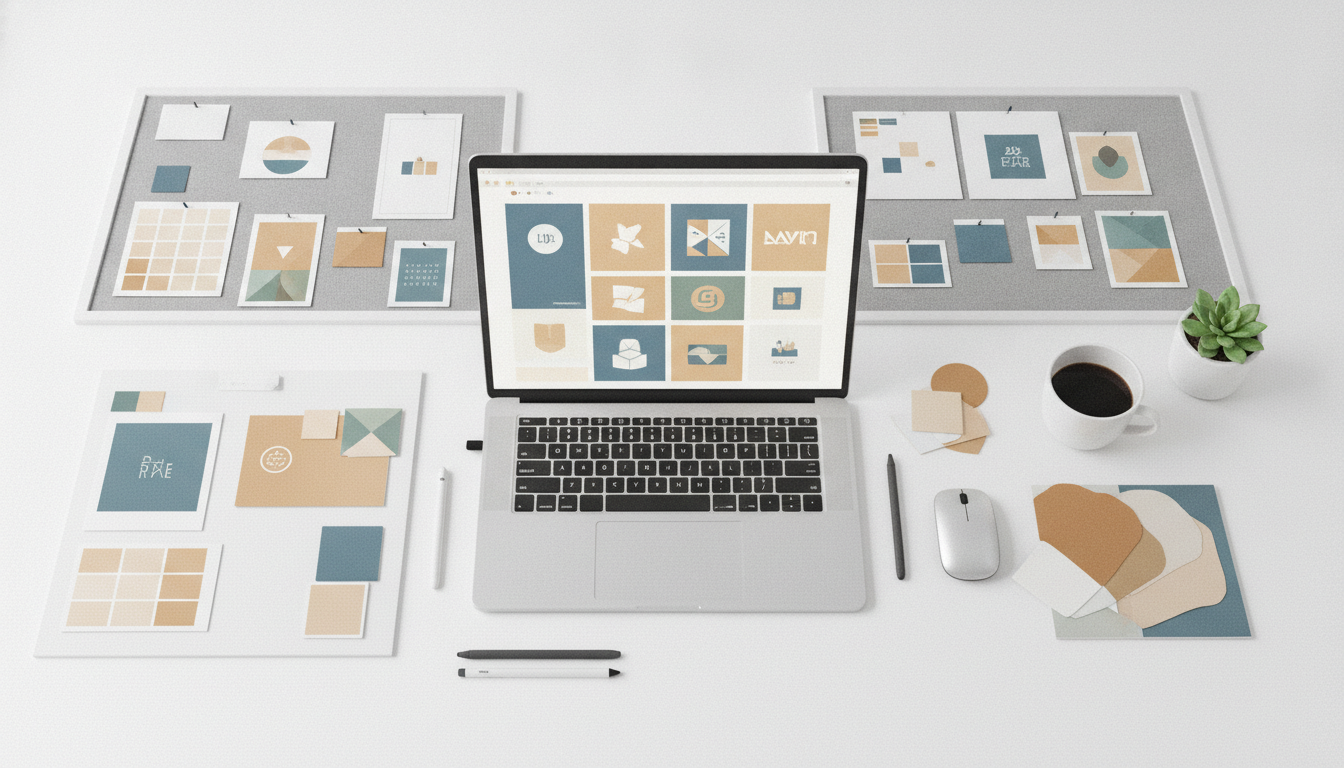
Why Consistent Brand Images AI Tools Are Changing the Game
If you've ever tried to build a brand from scratch, you know how time-consuming and expensive it can be to keep your visuals looking polished and unified. The good news? Creating consistent brand images with AI is now faster, more affordable, and more accessible than ever before. Whether you're launching a digital product, growing a personal brand, or running an online business, having a cohesive visual identity can be the difference between being forgettable and being recognized instantly. Digital Maker AI is one platform making this easier for everyday creators and entrepreneurs.
In this article, we'll walk you through exactly how to use AI tools to build a consistent brand image library, what to focus on, and how to avoid the common pitfalls that make brands look scattered and unprofessional.
What Does Visual Brand Consistency Actually Mean?
Brand consistency isn't just about using the same logo everywhere. It's about creating a visual language your audience can recognize at a glance, across your website, your social media, your digital products, and your marketing materials. Think of the brands you admire most. You'd probably recognize their imagery even without seeing their name.
Visual brand consistency includes:
- A defined color palette, usually two to four core colors used across all visuals
- Consistent typography, the same fonts or font families used in all text-based graphics
- A unified image style, whether that's minimalist, bold, illustrative, photographic, or something else
- Recurring design elements, shapes, textures, borders, or icons that become part of your visual signature
- Tone and mood, the overall feeling your images convey, from playful to professional
When all of these elements are aligned, your brand feels trustworthy and established. When they're inconsistent, even great content can feel amateur. According to research on brand consistency, brands that present themselves consistently across all platforms can see revenue increases of up to 23%.
How to Use Consistent Brand Images AI Features Effectively
Here's where AI tools really shine. Instead of hiring a designer or spending hours in complicated software, you can use an AI-powered image maker to generate on-brand visuals in minutes, and keep them consistent every single time.
The Image Maker feature inside Digital Maker AI is designed specifically for this purpose. It lets you generate high-quality images tailored to your brand's style, which means you're not starting from a blank canvas every time you need a new visual. Here's how to make the most of it:
Step-by-Step: Building Your Brand Image System with AI
1. Define Your Brand Before You Prompt
Before you open any AI tool, spend 15 to 20 minutes writing down your brand's core identity. What do you sell? Who is your audience? What feeling do you want your brand to evoke? This clarity will shape every prompt you write, and better prompts lead to more consistent, on-brand results.
2. Create a Brand Style Prompt Template
One of the most powerful strategies for achieving consistent brand images with AI is to build a reusable prompt template. This is a base description that you include in every image generation request, which keeps the visual style locked in. For example:
"Minimalist flat design, pastel pink and cream color palette, clean white background, soft shadows, modern lifestyle brand aesthetic, high resolution."
Every time you generate a new image, you start with this base and add your specific content needs. The result? A library of images that all feel like they belong together.
3. Use the Image Maker to Generate Your Core Brand Assets
With your template ready, use the Image Maker to create your foundational brand visuals. These might include:
- Hero images for your website or sales pages
- Social media post templates and cover graphics
- Digital product mockups and covers
- Blog post featured images
- Email header graphics
- Promotional banners and ads
By generating all of these from the same base prompt style, you'll build a cohesive image library without needing to manually match colors or styles each time.
4. Document Your Prompts for Future Use
This step is often overlooked, but it's crucial for long-term consistency. Keep a simple document or spreadsheet where you save your best-performing prompts. Note what worked, what adjustments you made, and what each prompt is best suited for. This becomes your AI brand guide, a resource you can return to every time you need new visuals.
5. Iterate and Refine
The first set of images you generate might not be perfect, and that's completely normal. AI tools improve with better prompts, so treat the first session as an experiment. Generate several variations, pick the ones that feel most on-brand, and use those as your reference points going forward. Over time, your prompt library will become incredibly accurate and efficient.
Tips for Maintaining Consistent Brand Images With AI Over Time
Even with AI making things easier, consistency requires intention. Here are some practical tips to help you maintain visual cohesion as your brand grows:
- Stick to your palette: Resist the temptation to add new colors just because they look nice in the moment. If you want to expand your palette, do it intentionally and update your prompt templates accordingly.
- Batch your image creation: Instead of generating one image at a time as you need it, set aside dedicated sessions to create a batch of images. This keeps your workflow efficient and your visuals cohesive.
- Review your library regularly: Every month or quarter, scroll through your brand image library. If something stands out as inconsistent, note what's different and adjust your prompt template to prevent it from happening again.
- Use your generated images as style references: When briefing AI tools, you can describe what you've already created. Saying 'in the same style as my previous product covers' in your prompt helps the AI maintain continuity.
- Keep a mood board: Even in the age of AI, a simple mood board (a collection of your favorite generated images) helps you stay anchored to your brand's visual identity and gives you something concrete to reference.
Who Benefits Most From Using AI for Brand Image Consistency?
The honest answer is: almost anyone building something online. But a few groups find this especially valuable:
- Digital product creators who need professional-looking covers, mockups, and promotional graphics without a design budget
- Coaches and consultants building a personal brand across multiple platforms
- Etsy sellers and online shop owners who need consistent product imagery and marketing materials
- Content creators and bloggers who want their visual presence to match the quality of their writing
- Small business owners who don't have the resources to hire a full-time designer
If you're just getting started and want to learn how to build your entire digital brand using AI from the ground up, the free course at Digital Maker AI is a fantastic place to begin. It walks you through everything from creating your first digital product to setting up a visual brand that looks polished and professional.
Start Building Your Brand Image Library Today
Consistency is one of the most underrated brand-building assets you have. When your audience sees your images and instantly knows they belong to you, before they even read your name, you've built something powerful. And with AI tools like the Image Maker on Digital Maker AI, that level of professional visual identity is now within reach for creators at every stage.
You don't need a big budget or a design degree. You need a clear brand identity, a solid prompt template, and the right tools. Start with your brand style guide, build your first batch of images, and watch how quickly a consistent visual presence transforms the way people perceive your brand. The investment in time upfront pays dividends every time someone recognizes your work in the wild.
Ready to take the next step? Check out the available plans on Digital Maker AI to find the right fit for where you are in your brand-building journey, and start creating images that truly represent you.