The Psychology Behind Ebook Covers That Sell
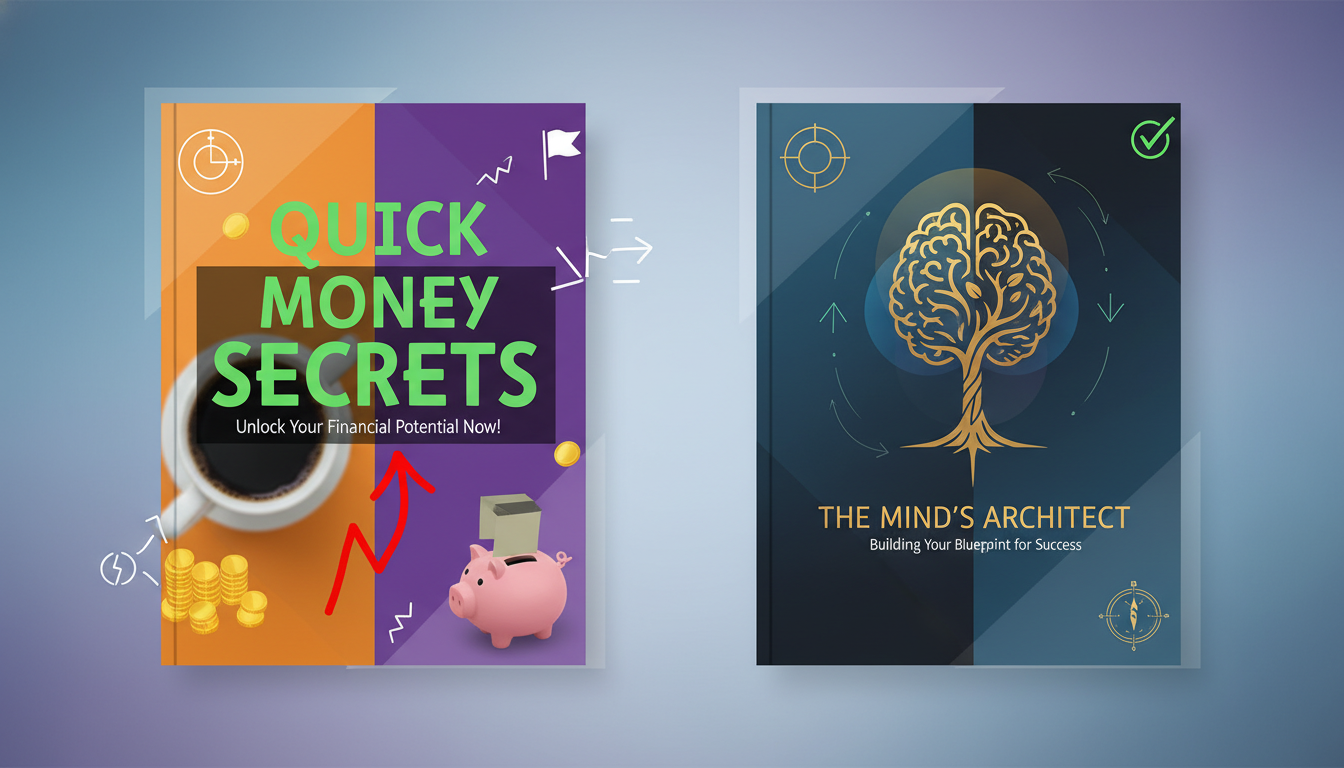
In the crowded digital marketplace, your ebook has mere seconds to capture a potential reader's attention. The difference between a bestseller and a digital dust-collector often comes down to one crucial element: the cover. Understanding the psychology behind ebook covers that sell can transform your digital publishing success, turning browsers into buyers and casual glances into committed purchases.
The human brain processes visual information 60,000 times faster than text, making your ebook cover the ultimate first impression. But what separates covers that convert from those that get scrolled past? The answer lies in psychological principles that have been influencing human behavior for millennia.
The Science of First Impressions: Why Ebook Covers That Sell Follow Specific Rules
Research shows that people form judgments about book quality within 50 milliseconds of seeing a cover. This split-second decision-making process relies on several psychological factors:
- Pattern recognition: Our brains quickly categorize covers based on familiar genre conventions
- Emotional response: Colors and imagery trigger immediate emotional reactions
- Trust signals: Professional design quality suggests content quality
- Social proof: Covers that look like successful books benefit from association
Understanding these psychological triggers is essential for creating covers that don't just look good, but actually drive sales. When you're developing your ebook with tools like Digital Maker AI's Ebook Writer, considering cover psychology from the beginning can significantly impact your success.
Color Psychology: The Hidden Language of Successful Covers
Color isn't just about aesthetics, it's a powerful psychological tool that influences purchasing decisions. Different colors evoke specific emotional responses and set clear genre expectations:
Red creates urgency and excitement, perfect for thrillers, romance, or business books promising quick results. Blue conveys trust and reliability, ideal for educational content, self-help, or professional development titles. Black and white suggests sophistication and timelessness, working well for literary fiction or high-end business content.
Green implies growth and prosperity, making it excellent for money-related topics or personal development. Purple indicates luxury and creativity, perfect for artistic endeavors or premium content. Orange and yellow grab attention and suggest optimism, great for motivational content or creative guides.
The key is matching your color choice to both your target audience's expectations and the emotional journey you want to create. Research shows that people make subconscious judgments about product quality based on color choices alone.
Typography That Triggers Action
Your font choice communicates volumes before a single word is read. Typography psychology reveals that different typefaces trigger distinct psychological responses:
Sans-serif fonts like Arial or Helvetica appear modern, clean, and approachable, perfect for contemporary non-fiction or how-to guides. Serif fonts like Times New Roman or Georgia convey tradition, reliability, and authority, making them ideal for academic content or historical topics.
Script fonts suggest elegance and creativity but should be used sparingly for maximum impact. Bold, condensed fonts create urgency and grab attention, working well for action-oriented content or dramatic fiction.
The psychology of readability also plays a crucial role. Your title must be instantly readable even as a thumbnail image. If potential readers struggle to read your title, they'll move on to the next option without hesitation.
The Power of Visual Hierarchy in Ebook Covers That Sell
Successful covers guide the eye through a carefully planned visual journey. This hierarchy determines what information readers process first, second, and third:
The primary focus should be your main title, the largest, most prominent text element. The secondary focus might be a compelling subtitle or author name (if you're established). The tertiary elements include any additional text like series information or endorsements.
This hierarchy works because of how our brains process information. We naturally look for the biggest, brightest, or most contrasted elements first. By controlling this flow, you can ensure readers absorb your key selling points in the optimal order.
Emotional Triggers That Drive Downloads
The most effective covers tap into fundamental human emotions and desires. Understanding what motivates your target audience allows you to design covers that speak directly to their psychological needs:
Fear and urgency work powerfully for business and self-help content. Phrases like 'Before It's Too Late' or dark, dramatic imagery can create the psychological pressure needed to drive immediate action.
Aspiration and transformation appeal to readers seeking improvement. Bright, uplifting imagery combined with benefit-focused titles triggers the desire for positive change.
Curiosity and mystery work exceptionally well for fiction and investigative non-fiction. Partially revealed images or intriguing questions create the psychological gap that readers want to fill.
Social proof and authority provide psychological safety for uncertain buyers. Award badges, bestseller indicators, or professional photography suggest quality and reduce purchase risk.
Genre Psychology: Meeting Reader Expectations
Every genre carries specific psychological expectations that successful covers must address. Romance readers expect certain visual cues that differ dramatically from business book buyers. Understanding these genre conventions isn't about limiting creativity, it's about communicating effectively with your intended audience.
Thriller covers typically use dark colors, bold typography, and mysterious imagery to trigger excitement and suspense. Self-help covers often feature bright colors, clean layouts, and benefit-focused titles to suggest positive transformation. Literary fiction covers might use artistic imagery and sophisticated typography to appeal to readers seeking intellectual engagement.
When using Digital Maker AI's Ebook Writer to create your content, consider how your cover design will align with the psychological expectations your writing style and content naturally create.
The Neuroscience of Trust and Credibility
Professional design quality triggers what psychologists call the 'halo effect', when one positive impression influences overall perception. A well-designed cover suggests well-written content, while amateur design implies amateur writing, regardless of actual quality.
Key trust signals include consistent alignment, appropriate color harmony, high-resolution imagery, and error-free text. These elements work subconsciously to build confidence in your content quality before readers even see a preview.
Testing and Optimization: The Psychology of Continuous Improvement
The most successful publishers understand that cover psychology isn't one-size-fits-all. A/B testing different covers reveals what actually resonates with your specific audience, rather than what you assume will work.
Test different color schemes, typography choices, and imagery styles while keeping careful track of conversion rates. Small psychological adjustments, like changing a subtitle or adjusting color saturation, can dramatically impact sales performance.
Leveraging Technology for Psychological Impact
Modern AI tools are revolutionizing how we approach cover design psychology. Platforms like Digital Maker AI not only help you create compelling content with their Ebook Writer feature but also provide insights into design elements that resonate with your target audience.
By analyzing successful covers in your genre and understanding the psychological principles behind their effectiveness, you can create covers that don't just look professional, they actively drive sales by speaking directly to your readers' subconscious motivations.
The psychology behind successful ebook covers isn't mysterious, it's based on proven principles of human behavior and decision-making. By applying these insights to your cover design process, you're not manipulating readers; you're communicating more effectively with them, ensuring your valuable content reaches the audience that needs it most.
Remember, your ebook cover is your first and most important marketing tool. Invest in understanding the psychology behind covers that convert, and watch as your digital publishing success reaches new heights.