How to Create Notion Templates and Sell Them
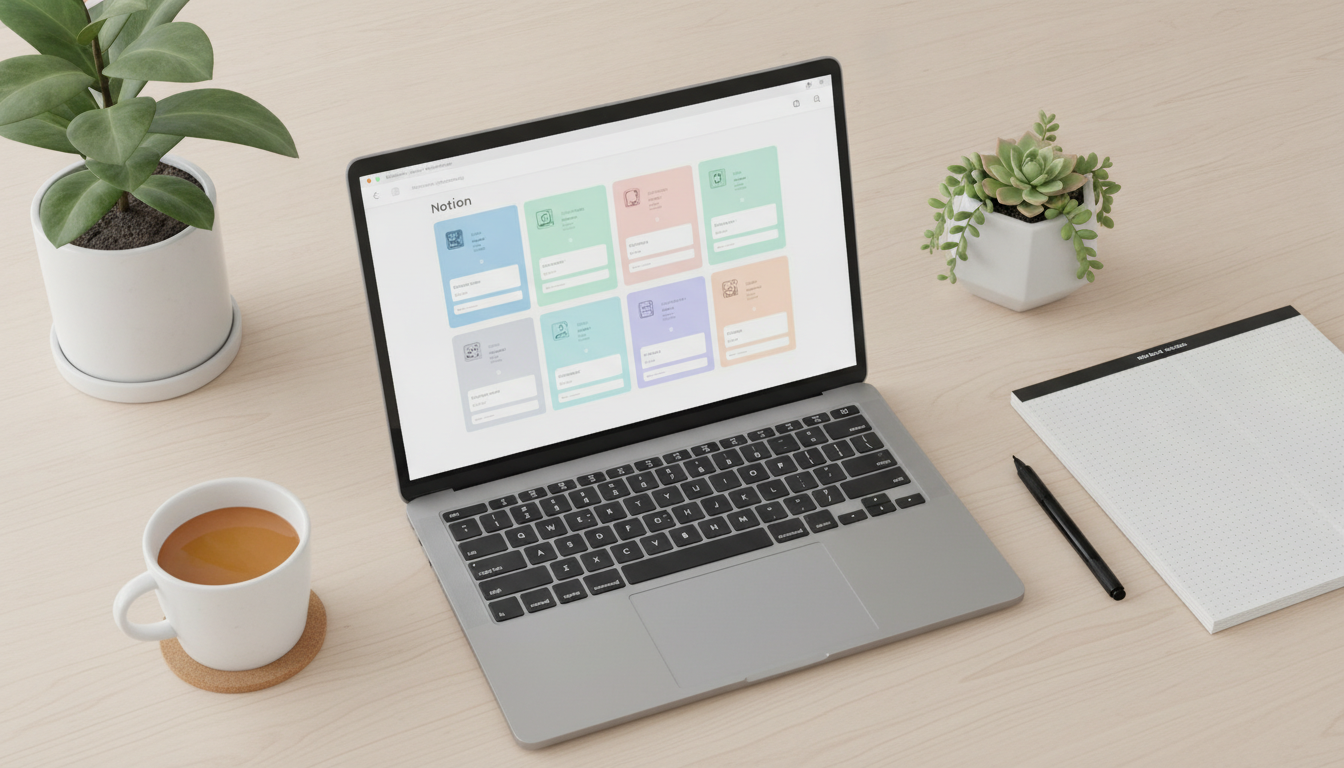
If you're looking for a creative way to generate passive income, learning how to create sell Notion templates could be your perfect opportunity. With millions of users relying on Notion for organization and productivity, the demand for well-designed templates has skyrocketed. This comprehensive guide will walk you through everything you need to know about building and monetizing your own Notion template business.
Notion templates have become digital gold mines for creative entrepreneurs. From simple to-do lists to complex project management systems, there's a template for virtually every need. The best part? Once you create a template, you can sell it repeatedly without additional work, making it an ideal passive income stream.
Understanding the Notion Template Market
Before diving into how to create sell Notion templates, it's crucial to understand your market. The Notion template ecosystem is thriving, with successful creators earning thousands of dollars monthly from their digital products. Popular template categories include:
- Project management dashboards
- Personal productivity systems
- Content planning templates
- Financial tracking tools
- Student study planners
- Business operation templates
- Goal tracking systems
- Recipe and meal planning organizers
Research your competition and identify gaps in the market. Look for templates that have high demand but limited quality offerings. This research will inform your template creation strategy and help you position your products effectively.
Step-by-Step Guide to Create Sell Notion Templates
Creating profitable Notion templates requires a systematic approach. Here's your roadmap to success:
Step 1: Choose Your Niche
Focus on a specific audience or problem. Whether you're targeting busy entrepreneurs, college students, or fitness enthusiasts, having a clear niche helps you create more targeted and valuable templates. Consider your own expertise and experiences when selecting your niche.
Step 2: Plan Your Template Structure
Before building in Notion, sketch out your template's structure on paper or in a simple tool. Consider the user journey and how someone will interact with your template. Think about:
- Main navigation and organization
- Database relationships and properties
- Automation opportunities
- Visual hierarchy and user experience
Step 3: Build and Test Your Template
Start building your template in Notion, paying attention to both functionality and aesthetics. Use Notion's powerful features like databases, formulas, and relations to create dynamic, interactive templates. Test your template thoroughly by using it yourself or having others try it out.
Step 4: Create Documentation
Develop clear setup instructions and user guides. Your customers should be able to duplicate and customize your template easily. Include video tutorials or step-by-step written guides to enhance the user experience.
Design Principles for High-Converting Templates
Creating templates that sell requires attention to both form and function. Here are key design principles to follow:
Visual Appeal: Use consistent colors, fonts, and spacing throughout your template. Notion's design options may be limited, but careful use of emojis, dividers, and formatting can create visually striking templates.
User-Friendly Navigation: Organize your template logically with clear navigation. Users should intuitively understand how to move through different sections and find what they need.
Practical Functionality: Ensure every element serves a purpose. Avoid over-complicating your templates with unnecessary features that might confuse users.
Customization Options: Design templates that users can easily modify to fit their specific needs. Include placeholder content and clear instructions for customization.
Pricing Strategies for Your Notion Templates
Pricing your templates correctly is crucial for maximizing revenue. Consider these factors when setting prices:
Template Complexity: Simple templates might sell for $5-15, while comprehensive systems can command $50-200 or more.
Target Audience: Business professionals typically have higher budgets than students or casual users.
Bundle Opportunities: Create template bundles or package multiple related templates together for higher value sales.
Market Research: Study competitor pricing and position your templates accordingly.
Where to Sell Your Notion Templates
Multiple platforms exist for selling your templates, each with unique advantages:
Gumroad: Popular choice with easy setup and good commission rates. Handles payments and delivery automatically.
Etsy: Great for reaching creative audiences, though it requires more marketing effort.
Your Own Website: Offers the highest profit margins but requires more setup and marketing.
Notion Template Marketplaces: Specialized platforms that cater specifically to Notion users.
Social Media: Use Instagram, Twitter, and TikTok to showcase your templates and drive sales.
Marketing Your Notion Templates Effectively
Creating great templates is only half the battle. Effective marketing is essential for generating sales:
Content Marketing: Share productivity tips and template previews on social media platforms. Create valuable content that showcases your expertise.
SEO Optimization: Optimize your product listings and website content for search engines. Use relevant keywords and create helpful blog content.
Community Engagement: Participate in Notion communities, productivity forums, and relevant Facebook groups. Share helpful advice and subtly promote your templates when appropriate.
Email Marketing: Build an email list of interested prospects and customers. Regular newsletters with productivity tips can drive template sales.
Streamlining Your Template Business with Digital Maker AI
Managing a template business involves numerous tasks beyond just creating templates. This is where Digital Maker AI becomes invaluable. The platform offers AI-powered tools that can help you:
- Generate compelling product descriptions for your templates
- Create marketing copy for social media and email campaigns
- Develop SEO-optimized content for your template listings
- Brainstorm new template ideas based on market trends
By leveraging Digital Maker AI's capabilities, you can focus more time on template creation and less on the repetitive marketing tasks that often overwhelm solo entrepreneurs.
Common Mistakes to Avoid
Learning from others' mistakes can save you time and money. Avoid these common pitfalls:
- Creating overly complex templates that intimidate users
- Neglecting proper documentation and setup instructions
- Pricing too low and devaluing your work
- Failing to test templates thoroughly before launching
- Ignoring customer feedback and requests
- Not protecting your templates from unauthorized sharing
Scaling Your Notion Template Business
Once you've established your initial template offerings, consider these scaling strategies:
Expand Your Product Line: Create complementary templates that work together or serve different aspects of your niche.
Develop Recurring Revenue: Consider subscription-based offerings or membership sites with exclusive templates.
Create Educational Content: Develop courses teaching others how to use Notion effectively, incorporating your templates.
Build Partnerships: Collaborate with other creators or influencers in your niche to expand your reach.
Conclusion
Learning how to create sell Notion templates opens up exciting opportunities for passive income generation. Success requires understanding your market, creating valuable templates, pricing strategically, and marketing effectively. With platforms like Digital Maker AI supporting your content creation efforts, you can build a thriving template business that generates consistent revenue.
Remember that building a successful template business takes time and persistence. Start with one well-designed template, gather user feedback, and gradually expand your offerings. Focus on solving real problems for your target audience, and your Notion template business will thrive in this growing market.
The digital product landscape continues to evolve, and Notion templates represent just the beginning of what's possible. By mastering template creation and sales, you're building valuable skills that can be applied to numerous other digital product opportunities.