Creating Digital Templates That People Actually Buy
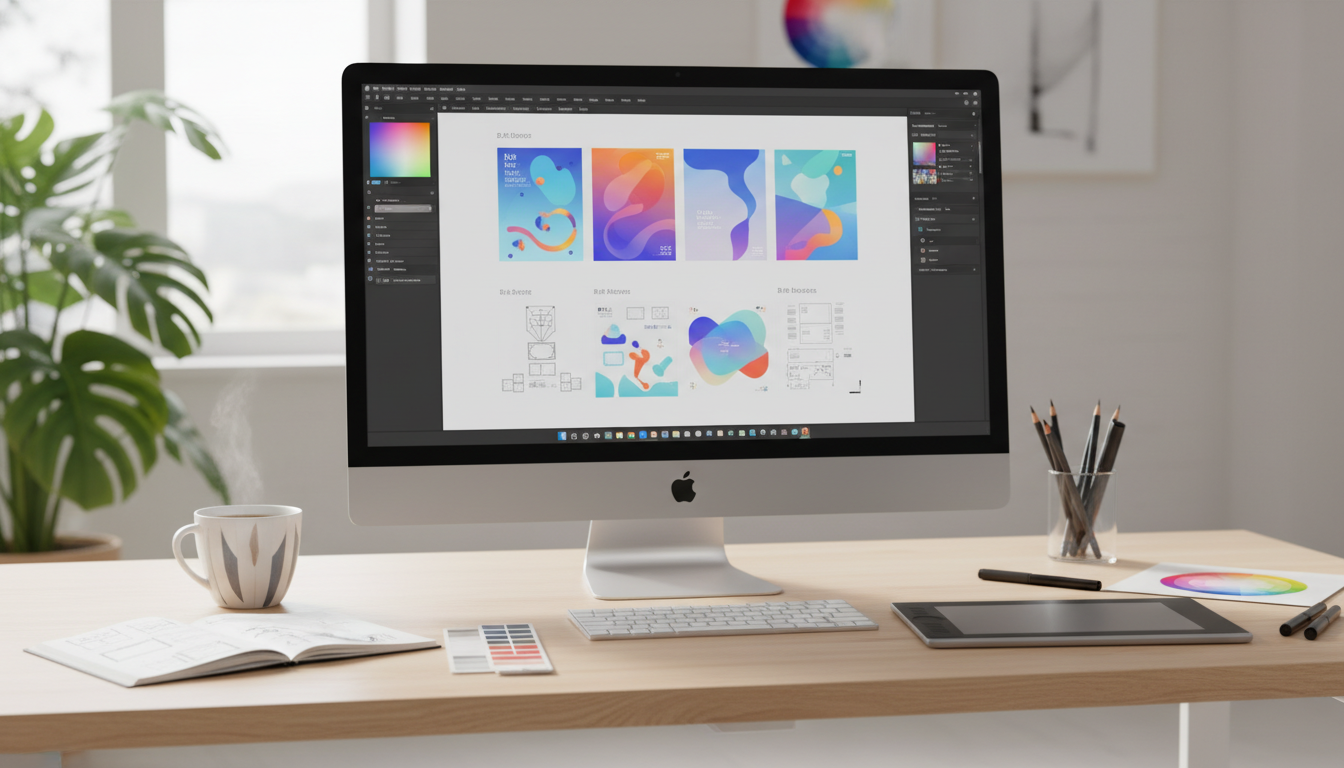
The digital template market is booming, with creators earning thousands of dollars monthly from their designs. However, not all templates are created equal. The difference between templates that collect dust and digital templates that sell consistently lies in understanding your market, solving real problems, and creating designs that truly resonate with buyers. Whether you're a seasoned designer or just starting out, this guide will show you exactly how to create templates that customers can't resist purchasing.
Understanding What Makes Digital Templates That Sell
Before diving into design software, successful template creators understand one crucial principle: profitable templates solve specific problems. The most successful digital templates address pain points that people are actively seeking solutions for. This could be a busy entrepreneur needing professional presentation slides, a teacher requiring engaging classroom materials, or a small business owner wanting branded social media graphics.
Market research should be your first step, not your afterthought. Spend time browsing popular template marketplaces like Etsy, Creative Market, and Envato to identify trending categories, pricing strategies, and customer reviews. Pay special attention to what buyers complain about in reviews – these complaints often reveal opportunities for improvement in your own designs.
Identifying Profitable Template Niches
The most successful template creators focus on specific niches rather than trying to serve everyone. Here are some consistently profitable categories:
- Business templates: Invoice templates, proposal designs, presentation slides, and business card layouts
- Social media graphics: Instagram story templates, Facebook post designs, Pinterest pins, and YouTube thumbnails
- Educational materials: Lesson plan templates, worksheets, certificates, and educational posters
- Event planning: Wedding invitations, party decorations, menu templates, and event signage
- Personal organization: Planners, calendars, budget trackers, and habit trackers
When choosing your niche, consider your own expertise and interests. If you're a fitness enthusiast, workout planner templates might be perfect. If you have a background in education, focus on teaching materials. Authenticity and personal experience often translate into better designs that truly serve your target audience.
Research-Driven Design: Finding What Customers Want
Creating digital templates that sell requires thorough market research. Start by analyzing your competition, but don't stop there. Join Facebook groups, Reddit communities, and online forums where your target audience hangs out. Listen to their frustrations and observe what they're asking for.
Use tools like Google Trends, Pinterest Trends, and social media hashtag research to identify seasonal patterns and emerging topics. For example, budget planner templates typically spike in popularity around New Year's, while wedding templates see increased demand during spring and summer months.
Customer surveys can provide invaluable insights. If you already have a small audience on social media, ask them directly what types of templates would make their lives easier. Often, the best-selling products come from direct customer feedback rather than guesswork.
Design Principles for High-Converting Templates
Great template design balances aesthetic appeal with functional usability. Your templates should look professional enough to attract buyers but simple enough for non-designers to customize easily. Here are key design principles to follow:
Simplicity wins: Overly complex designs intimidate customers. Clean, minimalist layouts with clear hierarchy perform better than cluttered alternatives. Use plenty of white space and limit your color palette to 2-3 main colors plus neutrals.
Flexibility is crucial: Design templates that work across different industries and use cases. A presentation template should work equally well for a marketing pitch and a school project. This broadens your potential customer base significantly.
Typography matters: Choose fonts that are widely available or include font alternatives. Stick to readable, professional typefaces and establish clear hierarchy through size, weight, and spacing variations.
Leveraging AI Tools Like Digital Maker AI
Modern template creation doesn't require years of design school or expensive software subscriptions. AI-powered tools like Digital Maker AI are revolutionizing how creators approach template design. These platforms can help generate initial concepts, suggest color palettes, create layout variations, and even optimize designs based on current market trends.
Digital Maker AI streamlines the template creation process by automating repetitive design tasks, allowing you to focus on strategy and customer needs rather than technical execution. The platform's AI algorithms can analyze successful templates in your chosen niche and suggest improvements to your designs, helping ensure your templates meet market demands.
By combining human creativity with AI efficiency, you can produce more templates in less time while maintaining high quality standards. This increased output allows for better market testing and faster iteration based on customer feedback.
Pricing Strategies That Maximize Revenue
Pricing your templates correctly can make or break your success. Many creators underprice their work, while others price themselves out of the market. Research competitor pricing in your specific niche, but remember that price alone doesn't determine success.
Consider offering multiple pricing tiers: individual templates for customers who need just one design, small bundles for moderate users, and comprehensive packages for power users. This strategy, known as price anchoring, can increase your average order value significantly.
Don't forget to factor in the value you're providing. A template that saves someone 5 hours of work is worth more than one that saves 30 minutes. Price based on the value and time savings you're offering, not just the time it took you to create.
Marketing Your Digital Templates That Sell
Even the best templates won't sell without effective marketing. Start building your audience before you launch your first product. Social media platforms like Pinterest and Instagram are particularly effective for template creators because they're visual platforms where you can showcase your designs.
Create behind-the-scenes content showing your design process, share tips related to your niche, and provide value to your audience beyond just selling products. Email marketing remains one of the highest-converting channels for digital products, so start building your email list early.
Consider partnering with influencers or bloggers in your niche for product reviews or collaborations. A single mention from a trusted source can drive significant sales and help establish your credibility in the market.
Optimizing for Long-Term Success
Building a sustainable template business requires ongoing optimization and customer feedback implementation. Track which designs perform best and analyze why they succeed. Use this data to inform future template creation and identify expansion opportunities.
Customer service excellence sets successful template creators apart. Respond promptly to questions, provide clear usage instructions, and go above and beyond to ensure customer satisfaction. Happy customers become repeat buyers and often refer others to your products.
Stay current with design trends and platform requirements. Social media templates, for example, need regular updates when platforms change their recommended dimensions or introduce new features.
Creating digital templates that sell consistently requires a combination of market research, design skill, strategic thinking, and ongoing optimization. By focusing on solving real problems, leveraging modern AI tools like Digital Maker AI, and maintaining a customer-centric approach, you can build a profitable template business that generates passive income for years to come. Remember, success in the template market comes from understanding your customers deeply and delivering solutions that exceed their expectations.