Why Every Creator Needs an AI Toolkit in 2026
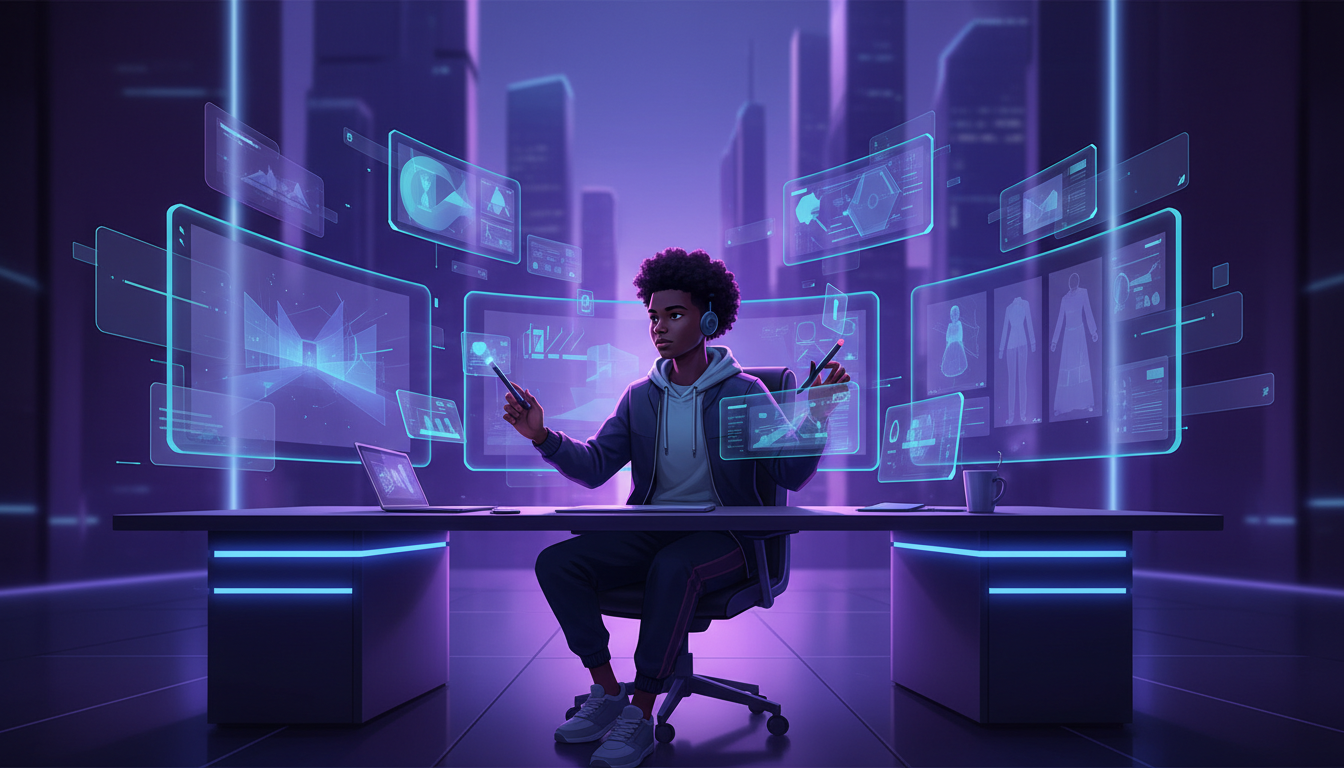
The creative landscape has transformed dramatically, and by 2026, the most successful AI toolkit creators aren't just using artificial intelligence, they're building entire ecosystems around it. Whether you're a content creator, digital artist, course builder, or entrepreneur, having a comprehensive AI toolkit isn't just an advantage anymore; it's become essential for survival in an increasingly competitive digital marketplace.
As we navigate through 2026, the gap between creators who leverage AI tools effectively and those who don't continues to widen. The question isn't whether you should adopt AI in your creative process, it's how quickly you can build and optimize your AI toolkit to stay relevant and profitable.
The Evolution of AI Toolkit Creators in the Digital Economy
The creator economy has evolved far beyond simple content creation. Today's most successful creators operate like mini-corporations, managing multiple revenue streams, automating workflows, and scaling their operations using sophisticated AI tools. The shift has been remarkable: what once required teams of specialists can now be accomplished by individual AI toolkit creators who understand how to leverage the right combination of artificial intelligence tools.
This transformation has democratized creativity while simultaneously raising the bar for quality and output speed. Creators who once struggled to produce consistent content are now generating professional-grade materials at unprecedented scales. The secret lies not in using one or two AI tools, but in building comprehensive toolkits that work synergistically to enhance every aspect of the creative process.
Core Components Every AI Toolkit for Creators Must Include
Building an effective AI toolkit requires understanding the fundamental categories of tools that address different aspects of creative work. Here are the essential components that every creator should consider:
- Content Generation Tools: AI writing assistants, video script generators, and social media content creators that help maintain consistent output
- Visual Creation Suite: AI image generators, video editing tools, and design assistants that produce professional-quality visuals
- Audio Enhancement: Voice synthesis, music generation, and podcast editing tools that elevate audio content quality
- Workflow Automation: Task scheduling, social media posting, and email marketing automation that saves hours of manual work
- Analytics and Optimization: Performance tracking, A/B testing tools, and audience analysis platforms that guide strategic decisions
The key to success lies not just in having these tools, but in understanding how they integrate with each other to create seamless workflows that multiply your creative output.
How Digital Maker AI Revolutionizes Creator Workflows
Platforms like Digital Maker AI have emerged as game-changers for creators looking to streamline their AI toolkit management. Rather than juggling multiple disconnected tools, Digital Maker AI provides a unified platform where creators can access various AI capabilities from a single dashboard.
What sets Digital Maker AI apart is its focus on helping creators build complete digital products, not just individual pieces of content. The platform integrates content creation, design, automation, and distribution tools in a way that allows creators to go from concept to market-ready product faster than ever before. This comprehensive approach addresses one of the biggest challenges facing modern creators: the complexity of managing multiple AI tools and workflows.
The Competitive Advantage of AI-Powered Creation
Creators who have successfully integrated AI toolkits into their workflows report several significant advantages over their traditional counterparts. First, there's the obvious benefit of speed, what once took days or weeks can now be accomplished in hours. But the advantages go much deeper than simple time savings.
AI toolkit creators often discover they can explore creative directions they never could before. With AI handling routine tasks, creators have more mental bandwidth to focus on strategy, innovation, and high-level creative decisions. This shift from executor to director represents a fundamental change in how creative work gets done.
Additionally, AI tools provide capabilities that extend beyond human limitations. They can analyze vast amounts of data to identify trends, generate variations at scale, and optimize content based on performance metrics in real-time. This data-driven approach to creativity leads to better results and more profitable creative ventures.
Building Your First AI Toolkit: A Step-by-Step Approach
Starting your journey as an AI toolkit creator doesn't require a massive investment or technical expertise. The key is to begin strategically and scale systematically:
Phase 1: Foundation Building
Start with one tool in each major category. Choose an AI writing assistant, an image generator, and a basic automation tool. Focus on mastering these before expanding your toolkit.
Phase 2: Integration and Optimization
Once comfortable with individual tools, begin connecting them through platforms like Digital Maker AI or using automation services. Create simple workflows that link your tools together.
Phase 3: Scaling and Specialization
Add specialized tools that serve your specific niche or creative style. This might include industry-specific AI tools or advanced features that support your unique creative process.
Phase 4: Ecosystem Development
Build comprehensive workflows that can handle entire projects from start to finish with minimal manual intervention. This is where the real power of AI toolkits becomes apparent.
Overcoming Common Challenges in AI Tool Adoption
Despite the clear benefits, many creators struggle with AI tool adoption. The most common challenges include feeling overwhelmed by options, concerns about losing creative authenticity, and difficulty integrating tools into existing workflows.
The overwhelm problem is best addressed by starting small and focusing on tools that solve your most pressing creative challenges. Rather than trying to revolutionize your entire process at once, identify one repetitive task that consumes significant time and find an AI tool to handle it.
Concerns about authenticity are valid but often misplaced. The most successful AI toolkit creators use AI as an amplifier of their creativity, not a replacement for it. The goal is to handle routine tasks efficiently so you can focus on the uniquely human aspects of creative work, strategy, emotion, and meaningful connection with your audience.
Future-Proofing Your Creative Career with AI
Looking ahead, the creators who will thrive are those who view AI not as a threat but as an evolution of their creative capabilities. The tools available today are just the beginning, AI capabilities will continue to expand and improve, offering even more opportunities for creative enhancement.
The creators building AI toolkits today are positioning themselves to take advantage of future developments. They're developing the skills, workflows, and strategic thinking that will be essential as AI tools become even more powerful and integrated into creative processes.
By 2026, the distinction between traditional creators and AI toolkit creators has become a determining factor in creative success. Those who have embraced AI tools report higher productivity, better quality output, and more sustainable creative businesses.
Taking Action: Your Next Steps as an AI Toolkit Creator
The path forward is clear: start building your AI toolkit now. Begin by auditing your current creative process to identify the biggest time sinks and quality bottlenecks. Then, research AI tools that specifically address these challenges.
Consider platforms like Digital Maker AI that provide comprehensive solutions rather than forcing you to piece together multiple tools. The integration benefits and learning curve advantages can accelerate your journey from traditional creator to AI-powered creative entrepreneur.
Remember, becoming an effective AI toolkit creator is a journey, not a destination. The tools will continue to evolve, new capabilities will emerge, and your creative process will continue to be refined. The key is to start now and commit to continuous learning and adaptation.
The creators who will define the next era of digital content and products are those who embrace AI as a creative partner. By building your AI toolkit today, you're not just keeping up with trends, you're positioning yourself at the forefront of a creative revolution that's reshaping how digital products are conceived, created, and delivered to audiences worldwide.