AI vs Human: When to Use AI for Content Creation
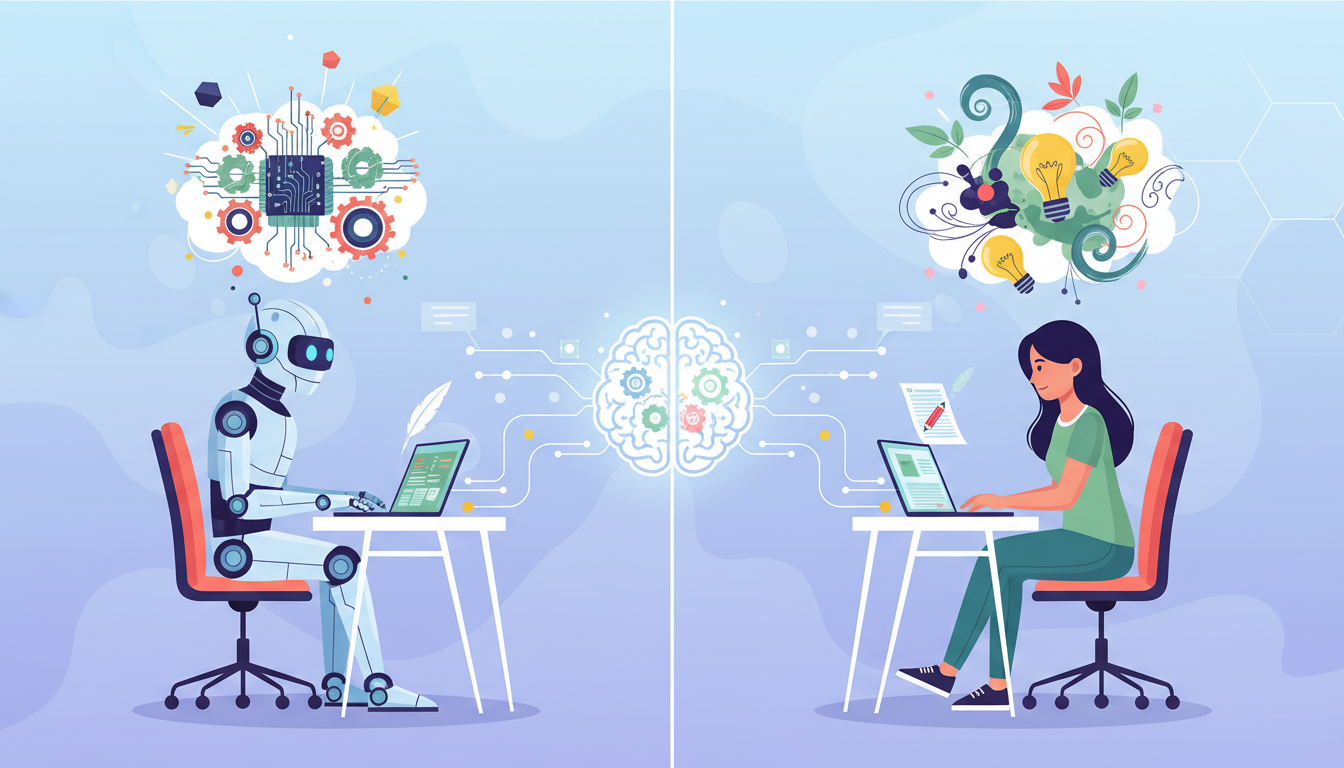
The debate around AI vs human content creation has intensified as artificial intelligence tools become more sophisticated and accessible. As content creators, marketers, and entrepreneurs, we're faced with a crucial decision: when should we leverage AI's speed and efficiency, and when is the human touch irreplaceable? Understanding the strengths and limitations of both approaches is essential for creating compelling digital products that resonate with your audience.
The landscape of content creation has transformed dramatically over the past few years. While human creativity remains invaluable, AI tools have proven their worth in streamlining workflows, generating ideas, and handling repetitive tasks. The key isn't choosing one over the other, it's knowing when to use each approach for maximum impact.
Understanding the Strengths: AI vs Human Content Creation Capabilities
Before diving into specific use cases, let's examine what each approach brings to the table. AI content creation excels in several areas that make it an attractive option for busy creators and businesses.
AI content creation strengths:
- Lightning-fast content generation and ideation
- Consistent tone and style across large volumes of content
- 24/7 availability without fatigue or creative blocks
- Cost-effective for bulk content needs
- Excellent at following specific formatting and structural guidelines
- Strong analytical capabilities for data-driven content
Human content creation strengths:
- Emotional intelligence and empathy in storytelling
- Cultural nuance and contextual understanding
- Personal experiences and unique perspectives
- Creative problem-solving and innovative thinking
- Brand voice authenticity and personality
- Complex strategic thinking and decision-making
When AI Content Creation Shines
AI tools like those integrated into Digital Maker AI are particularly effective for specific types of content and scenarios. Understanding these optimal use cases can help you maximize efficiency while maintaining quality.
Product descriptions and specifications are perfect for AI generation. When you're creating digital products, you need consistent, clear descriptions that highlight features and benefits. AI excels at taking product information and transforming it into compelling, structured descriptions that convert.
Social media posts and captions represent another sweet spot for AI. The platform can help you maintain a consistent posting schedule by generating engaging captions, hashtag suggestions, and post variations that align with your brand voice.
Email marketing sequences benefit greatly from AI assistance. Whether you're nurturing leads for your digital products or onboarding new customers, AI can help create personalized email flows that guide subscribers through your sales funnel effectively.
SEO-focused blog content and articles targeting specific keywords can be efficiently created with AI. The technology excels at incorporating keywords naturally, following SEO best practices, and structuring content for maximum search visibility.
Data analysis and reporting content is where AI truly shines. If your digital products require regular reports, analytics summaries, or data-driven insights, AI can transform complex information into readable, actionable content.
When Human Creativity Is Non-Negotiable
Despite AI's capabilities, certain content types demand the irreplaceable human touch. Recognizing these scenarios ensures your content maintains authenticity and emotional resonance.
Brand storytelling and mission statements require genuine human experience and emotion. Your brand's origin story, values, and vision need authentic human perspective to create meaningful connections with your audience.
Thought leadership content demands original insights, personal opinions, and industry expertise that only humans can provide. If you're positioning yourself as an expert in your field, your unique perspective and experience are your competitive advantages.
Customer success stories and case studies need human empathy to capture the emotional journey and transformation your customers experience. While AI can help structure these stories, the initial interviews and emotional intelligence required are distinctly human.
Creative content like poetry, fiction, or artistic expression relies on human consciousness, emotion, and lived experience. These forms of content are deeply personal and require the authentic human experience to resonate.
Crisis communication and sensitive topics require human judgment, cultural awareness, and emotional intelligence to navigate appropriately. The stakes are too high to risk AI misinterpretation or insensitivity.
The Hybrid Approach: Maximizing AI vs Human Content Creation
The most effective content strategy often combines both AI and human capabilities. This hybrid approach leverages each method's strengths while mitigating their weaknesses.
AI for ideation, humans for execution works well for complex content projects. Use AI to generate topic ideas, outlines, and research starting points, then apply human creativity to develop unique angles and compelling narratives.
AI for first drafts, humans for refinement can significantly speed up your content creation process. Let AI handle the initial structure and basic content, then add your unique voice, personality, and expertise to create truly engaging pieces.
Humans for strategy, AI for implementation ensures your content aligns with broader business goals. Develop your content strategy and key messages as a human, then use AI tools to scale production while maintaining consistency.
Platforms like Digital Maker AI make this hybrid approach seamless by providing AI tools that integrate naturally into human workflows. You maintain creative control while leveraging AI's efficiency for routine tasks.
Quality Control and Best Practices
Regardless of whether you choose AI or human content creation, maintaining quality standards is crucial for your digital products' success.
For AI-generated content:
- Always review and edit AI output for accuracy and brand alignment
- Fact-check any claims or statistics included in AI-generated content
- Add personal touches and unique insights to make content more engaging
- Use AI as a starting point, not a final product
- Ensure AI content aligns with your brand voice and values
For human-created content:
- Use AI tools for research and fact-checking support
- Leverage AI for grammar checking and optimization suggestions
- Consider AI assistance for SEO optimization and keyword integration
- Use AI to scale successful human-created content patterns
Making the Right Choice for Your Digital Products
When deciding between AI and human content creation for your digital products, consider these key factors:
Budget and resources: AI can significantly reduce content creation costs, especially for large volumes of content. However, high-stakes content may warrant human investment.
Timeline and deadlines: AI excels when you need content quickly. For tight deadlines or large content volumes, AI tools can be game-changers.
Audience expectations: Consider what your audience values. Some audiences appreciate AI efficiency, while others prioritize authentic human connection.
Content complexity: Simple, structured content works well with AI, while complex, nuanced topics may require human expertise.
Brand positioning: If your brand emphasizes human connection and authenticity, lean more heavily on human creation with AI support.
Future-Proofing Your Content Strategy
As AI technology continues evolving, the line between AI and human content creation will continue to blur. The key to success lies in staying adaptable and continuously evaluating the best approach for each content piece.
Digital Maker AI stays at the forefront of these developments, providing users with cutting-edge AI tools while emphasizing the importance of human oversight and creativity. This balanced approach ensures your digital products remain competitive and authentic.
Consider developing content creation guidelines that specify when to use AI versus human creation. This framework will help you make consistent decisions and maintain quality standards across all your content.
Remember that the goal isn't to replace human creativity but to enhance it. AI tools should amplify your unique voice and expertise, not diminish them. By thoughtfully combining AI efficiency with human insight, you can create content that truly stands out in today's crowded digital landscape.
The future belongs to creators who can skillfully orchestrate both AI and human capabilities, creating digital products that are both efficient to produce and genuinely engaging for their audiences.