AI for Beginners: Everything You Need to Know
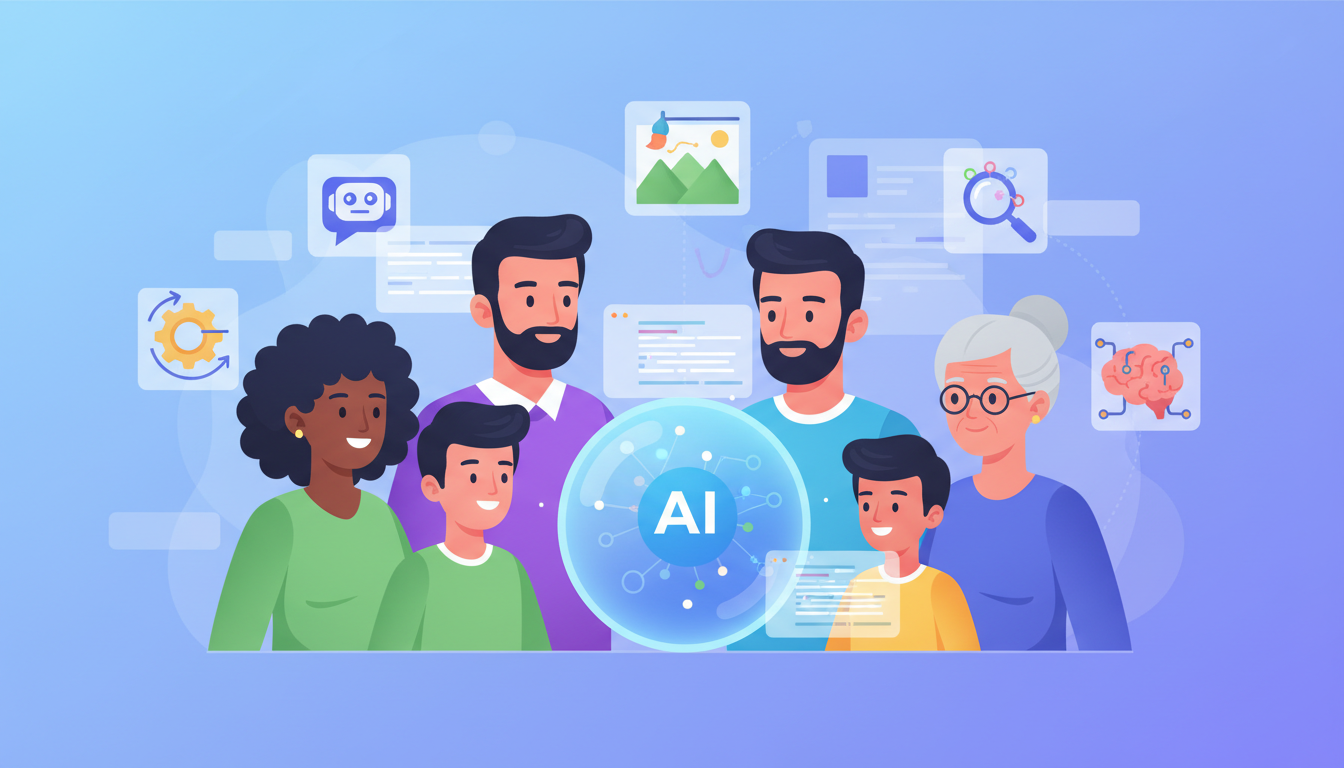
Artificial Intelligence (AI) is no longer just science fiction – it's transforming how we work, create, and solve problems every day. If you're feeling overwhelmed by all the AI buzz, you're not alone. This comprehensive AI for beginners guide will break down everything you need to know about AI, from basic concepts to practical applications that can enhance your daily life and work.
What is AI? Understanding the Basics
Artificial Intelligence refers to computer systems that can perform tasks typically requiring human intelligence. These tasks include learning, reasoning, problem-solving, understanding language, and recognizing patterns. Think of AI as a way to make computers smarter and more helpful.
AI isn't just one technology – it's an umbrella term covering various approaches and techniques. The most common types include:
- Machine Learning: Systems that learn from data without being explicitly programmed
- Natural Language Processing: AI that understands and generates human language
- Computer Vision: AI that can interpret and analyze visual information
- Deep Learning: Advanced machine learning using neural networks
How Does AI Actually Work?
At its core, AI works by processing vast amounts of data to identify patterns and make predictions. Here's a simplified breakdown:
Data Collection: AI systems need data to learn from – this could be text, images, numbers, or any other information.
Training: The AI analyzes this data, looking for patterns and relationships. It's like teaching a child to recognize objects by showing them thousands of examples.
Pattern Recognition: Once trained, the AI can identify similar patterns in new, unseen data and make informed decisions or predictions.
Continuous Learning: Many AI systems continue to improve as they encounter more data and feedback.
Why This AI for Beginners Guide Matters for You
Understanding AI isn't just for tech professionals anymore. Whether you're a business owner, creative professional, student, or simply curious about technology, AI literacy is becoming as important as computer literacy was in the 1990s.
Here's why learning about AI matters:
- AI tools can automate repetitive tasks, saving you time and energy
- Understanding AI helps you make better decisions about which tools to use
- AI knowledge can boost your career prospects across industries
- You can create innovative solutions to problems in your field
- AI democratizes access to powerful capabilities previously available only to large companies
Common AI Applications You're Already Using
You might be surprised to learn how much AI is already part of your daily routine:
Social Media: Platforms like Facebook and Instagram use AI to curate your feed and suggest content you might enjoy.
Navigation Apps: Google Maps and Waze use AI to find the fastest routes and predict traffic patterns.
Streaming Services: Netflix and Spotify use AI to recommend movies, shows, and music based on your preferences.
Email: Gmail's spam filter uses AI to keep unwanted emails out of your inbox.
Voice Assistants: Siri, Alexa, and Google Assistant use AI to understand and respond to your voice commands.
Online Shopping: E-commerce sites use AI to show you products you're most likely to buy.
Getting Started: Essential AI Tools for Beginners
Ready to start experimenting with AI? Here are some beginner-friendly tools to explore:
Text and Writing:
- ChatGPT for conversations and content creation
- Grammarly for writing assistance
- Copy.ai for marketing content
Image Creation:
- DALL-E 2 for generating images from text descriptions
- Canva's AI features for design assistance
- Midjourney for artistic image generation
Productivity:
- Notion AI for note-taking and organization
- Calendly's AI scheduling features
- Zapier for workflow automation
For those looking to create comprehensive digital products using multiple AI tools, platforms like Digital Maker AI provide an integrated environment where beginners can harness various AI capabilities without needing technical expertise.
Creating Your First AI-Powered Digital Product
One of the most exciting aspects of modern AI is how it enables anyone to create professional digital products. Here's a step-by-step approach:
Step 1: Identify Your Goal
What problem do you want to solve? This could be creating educational content, designing marketing materials, or building a simple app.
Step 2: Choose Your AI Tools
Based on your goal, select the appropriate AI tools. For comprehensive projects, consider platforms like Digital Maker AI that combine multiple AI capabilities in one place.
Step 3: Start Simple
Begin with a basic version of your idea. You can always add complexity later.
Step 4: Test and Iterate
Use your creation, gather feedback, and improve it using AI tools to refine and enhance your product.
Step 5: Share and Learn
Put your creation out into the world and learn from how others use and respond to it.
Best Practices for AI Beginners
As you begin your AI journey, keep these important principles in mind:
Start with Clear Objectives: Know what you want to achieve before choosing tools. AI is powerful, but it works best when applied to specific, well-defined problems.
Learn to Write Good Prompts: The quality of AI output often depends on the quality of your input. Practice writing clear, specific prompts that give the AI enough context to help you effectively.
Understand Limitations: AI tools are incredibly powerful but not perfect. They can make mistakes, generate biased content, or produce outputs that need human review and refinement.
Maintain Human Oversight: Always review AI-generated content before using it professionally. Your expertise and judgment remain crucial in the creative process.
Stay Curious and Keep Learning: AI technology evolves rapidly. Stay updated with new tools and techniques by following AI news, joining communities, and experimenting regularly.
Overcoming Common AI Beginner Challenges
Every AI beginner faces similar hurdles. Here's how to overcome them:
Feeling Overwhelmed: Focus on one AI tool at a time. Master the basics before moving to advanced features.
Fear of Replacement: Remember that AI enhances human capabilities rather than replacing them entirely. Focus on how AI can make you more effective in your current role.
Technical Complexity: Start with user-friendly platforms that don't require coding knowledge. Many modern AI tools are designed for non-technical users.
Cost Concerns: Many AI tools offer free tiers or trials. Start with these options to explore capabilities before investing in paid features.
Looking Ahead: The Future of AI
As you begin your AI journey, it's worth understanding where this technology is heading. AI will continue to become more integrated into our daily tools and workflows. We're moving toward a future where AI assistance is as common as spell-check is today.
The key for beginners is to start now with simple applications and grow your skills alongside the technology. By building AI literacy today, you'll be well-prepared for tomorrow's innovations.
Whether you're looking to automate routine tasks, create compelling content, or build entirely new digital products, AI tools like those available through Digital Maker AI make it easier than ever to turn ideas into reality.
Your Next Steps
Now that you understand the fundamentals, it's time to take action:
- Choose one AI tool from the list above and create a free account
- Set aside 30 minutes to experiment with basic features
- Identify one task in your daily routine that AI could help streamline
- Join an AI community or forum to connect with other beginners
- Set a goal to try one new AI application each week
Remember, becoming proficient with AI is a journey, not a destination. The most important step is to start experimenting and learning. With consistent practice and curiosity, you'll soon discover how AI can enhance your productivity, creativity, and problem-solving capabilities in ways you never imagined possible.